Sodium: A Handwritten Font for Business
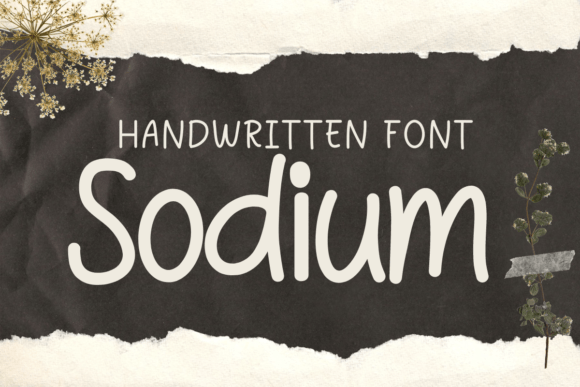
Sodium is a handwritten font that brings a personal, approachable feel to your brand. Its casual yet polished style makes it perfect for small businesses looking to add warmth and character to their visual identity. Whether you're designing a logo, creating social media posts, or printing product labels, Sodium offers a versatile touch that feels authentic and professional.
As a sans serif typeface, Sodium blends the simplicity of modern design with the human touch of a hand-drawn script. It’s not just a font—it’s a tool that helps you connect with your audience in a more genuine way. For entrepreneurs who want to stand out without overcomplicating their branding, Sodium provides a clean, expressive option that works across multiple platforms.
Why Sodium Matters for Branding
Consistency is key when building a strong brand. Using the same font across all materials—whether it’s a business card, website banner, or social media graphic—helps customers recognize your brand instantly. Sodium’s unique style allows you to maintain a cohesive look while still standing out from competitors who rely on generic fonts.
For example, if you run a boutique or a handmade product shop, Sodium can give your packaging and labels a custom, artisanal feel. It adds a sense of care and attention to detail that resonates with customers who value quality and personality in their purchases.
Real-World Applications of Sodium
Sodium isn’t just for creative projects—it’s practical for everyday business needs. You can use it for logos, headlines, and display text where a friendly, approachable tone is needed. It also works well as an accent font to highlight key messages or add visual interest to designs.
Imagine using Sodium for a café menu. The font’s natural flow gives it a welcoming, homey vibe that complements the ambiance of your space. Or picture it on a beauty product label, where its soft curves convey a sense of calm and trustworthiness.
On digital platforms, Sodium shines in social media graphics, Instagram posts, and website banners. Its readability on mobile screens ensures that your message is clear and easy to read, even at smaller sizes. This makes it ideal for promotional content, call-to-action buttons, and email newsletters.
When to Use Sodium
Sodium is best suited for headline and display purposes. It works great as a logo font, especially for brands that want to emphasize creativity, authenticity, or a personal connection with their audience. However, it’s not recommended for long blocks of body text due to its cursive style, which can be harder to read in large amounts.
For optimal results, pair Sodium with a clean, readable sans serif font like Arial or Helvetica. This combination balances the expressive nature of Sodium with the clarity of a modern typeface. It also helps maintain professionalism while keeping your design visually engaging.
Testing Sodium Before Full Adoption
Before committing to Sodium for your entire brand, test it in different scenarios. Print out samples of your business cards, labels, and packaging to see how it looks in real life. Check how it appears on various screen sizes, including mobile devices, to ensure it remains legible and effective.
You can also create mockups of your website or social media content using Sodium to get a sense of how it fits into your overall design. This step helps avoid last-minute changes and ensures your branding stays consistent across all channels.
Font Pairing Tips for Small Businesses
Pairing fonts can elevate your design work and make your brand feel more polished. When using Sodium, consider pairing it with a simple, neutral sans serif font for balance. This creates contrast without overwhelming your audience.
If you’re working on a more artistic project, you might pair Sodium with a decorative or script font for a bold, stylized look. Just be mindful of readability—especially when using multiple fonts in the same design.
Commercial Licensing and Practical Use
Before using Sodium on products, packaging, or client work, always check the commercial licensing terms. Many fonts require a separate license for business use, and failing to comply can lead to legal issues. Make sure you understand what you’re allowed to do with the font, whether it’s for print, digital, or merchandise.
For small businesses, this step is crucial. It protects your brand and ensures that your design choices are both ethical and legally sound. Always keep records of your font licenses and consult the provider if you have any questions.
How Sodium Enhances Trust and Recognition
A well-chosen font can influence how customers perceive your brand. Sodium’s handwritten style adds a human element that builds trust and makes your business feel more relatable. This is especially important for startups, online sellers, and service providers who rely on first impressions to attract clients.
By using Sodium consistently across your brand materials, you create a recognizable identity that sets you apart. Customers begin to associate the font with your brand, making it easier for them to remember and return to your business.
Final Thoughts on Sodium for Business
Sodium is more than just a font—it’s a branding asset that helps small businesses communicate their values effectively. Its handwritten charm adds personality, while its sans serif structure keeps it professional and adaptable. Whether you’re launching a new brand or updating your existing one, Sodium offers a versatile solution that supports your creative and practical goals.