Playful Jazz: A Fun Handwriting Font
There I was, staring at a blank brand board, trying to find the right tone for a new boutique coffee shop. The client wanted something warm, inviting, and just a little bit quirky. I had tried several serif and sans serif fonts, but nothing felt quite right. Then I remembered Playful Jazz—a handwriting font that promised a touch of humor and liveliness.
Visual Characteristics and Personality
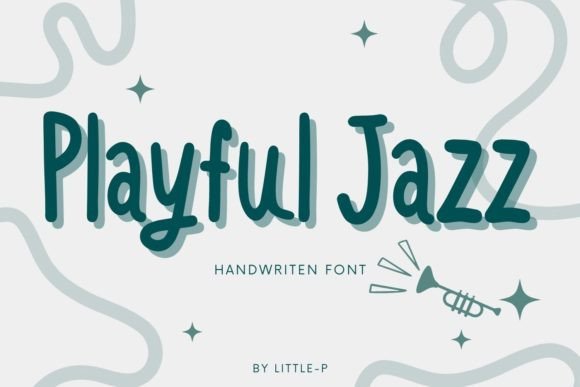
Playful Jazz has a casual, handwritten feel with soft curves and a slightly uneven baseline. It’s not overly stylized, but it carries a sense of playfulness that makes it stand out. The letterforms are friendly and approachable, with subtle variations in stroke weight that give it a natural, handcrafted look. It’s like someone scribbled the text with a pen, adding a personal touch without being messy.
This font is ideal for brands that want to convey creativity, joy, and a laid-back vibe. It works well for businesses targeting younger audiences or those looking to add a whimsical element to their visual identity.
Real-World Branding Applications
I tested Playful Jazz on a logo concept for the coffee shop. The name was short, so it worked well as a headline. I paired it with a clean sans serif for the tagline, which helped balance the playful nature of the font. The result felt cohesive and modern, with just enough personality to make the brand memorable.
On a packaging mockup, Playful Jazz added a nice contrast to more rigid typefaces. It looked great on product labels, especially when used for the product name or a special offer. On a business card, it made the contact information feel more personal and less corporate.
In social media graphics, the font stood out as a strong visual element. It worked well as a headline for Instagram posts or Facebook banners, drawing attention without overwhelming the design. For a website header, it added a friendly tone that complemented the overall aesthetic of the site.
Strengths and Limitations
One of the biggest strengths of Playful Jazz is its ability to add character without being distracting. It’s perfect for headlines, logos, and short phrases where a unique visual identity is needed. However, it’s not ideal for long body text or formal documents. At smaller sizes, the details can get lost, and the irregularity of the strokes may affect readability.
It also isn’t the best choice for corporate branding or professional settings where a more structured typeface would be expected. If you’re designing for a law firm or a financial institution, Playful Jazz might not be the right fit. But for creative studios, cafes, or handmade shops, it can be a valuable addition to your typographic toolkit.
Font Pairing and Design Tips
When pairing Playful Jazz with other fonts, it’s best to go with something simple and clean. A sans serif like Montserrat or a serif like Lora can create a nice contrast while keeping the design balanced. Avoid pairing it with other decorative or script fonts, as this can lead to visual clutter.
For editorial design, use it sparingly—maybe for headings or pull quotes. In web design, it can be effective for hero sections or call-to-action buttons, but ensure it’s legible at different screen sizes. Always test it in various contexts before finalizing a design.
Practical Considerations
Before using Playful Jazz in client work, it’s important to check the licensing terms. Make sure it’s suitable for commercial use, especially if you’re creating templates, merchandise, or print-on-demand products. Some fonts have restrictions on how they can be used, so always review the license agreement carefully.
Also, consider the file formats available. Playful Jazz likely comes in standard formats like OTF or TTF, and it should be compatible with most design software. If it includes alternate characters, ligatures, or swashes, those can add extra flexibility when working on custom designs.
Overall, Playful Jazz is a fun and versatile font that can bring a fresh perspective to your branding projects. It’s not a one-size-fits-all solution, but when used appropriately, it can elevate the visual appeal of your design assets and help create a more engaging brand experience.